
Belgrade is the capital and largest city of Serbia, located at the strategic confluence of the Sava and Danube rivers in the central Balkans. With a history dating back to prehistoric times, Belgrade has been continuously inhabited for millennia and has served as an important crossroads between East and West.
The city has been shaped by successive Roman, Byzantine, Ottoman, and Austro-Hungarian influences, which are still visible in its diverse architectural and cultural landscape. Stari Grad, the Old Town, features remnants of medieval walls, Ottoman-style buildings, and 19th-century urban planning, centered around the historic Kalemegdan Fortress.
Today, Belgrade is a modern, cosmopolitan metropolis known for its vibrant cultural scene, dynamic nightlife, and ongoing urban development. With a population of over 1.6 million, it serves as Serbia’s political, economic, and cultural center, while also playing a significant role in regional affairs across Southeast Europe.
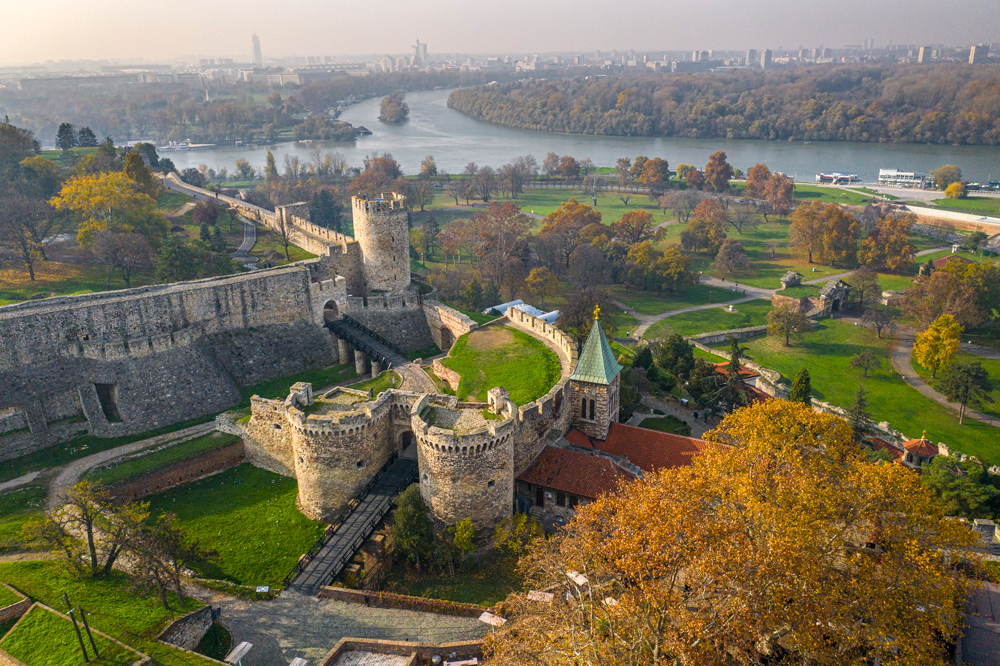
Kalemegdan Fortress is one of the most historically significant sites in Belgrade, strategically located at the confluence of the Sava and Danube rivers. Dating back to the Roman period, the fortress has been expanded and reconstructed by Byzantines, Ottomans, and Austro-Hungarians over the centuries. It served as a key military stronghold due to its elevated position and panoramic views of the surrounding area. Today, the site also includes Kalemegdan Park, a public green space that features monuments, museums, galleries, and walking paths, making it a central point of both cultural heritage and leisure in the city.
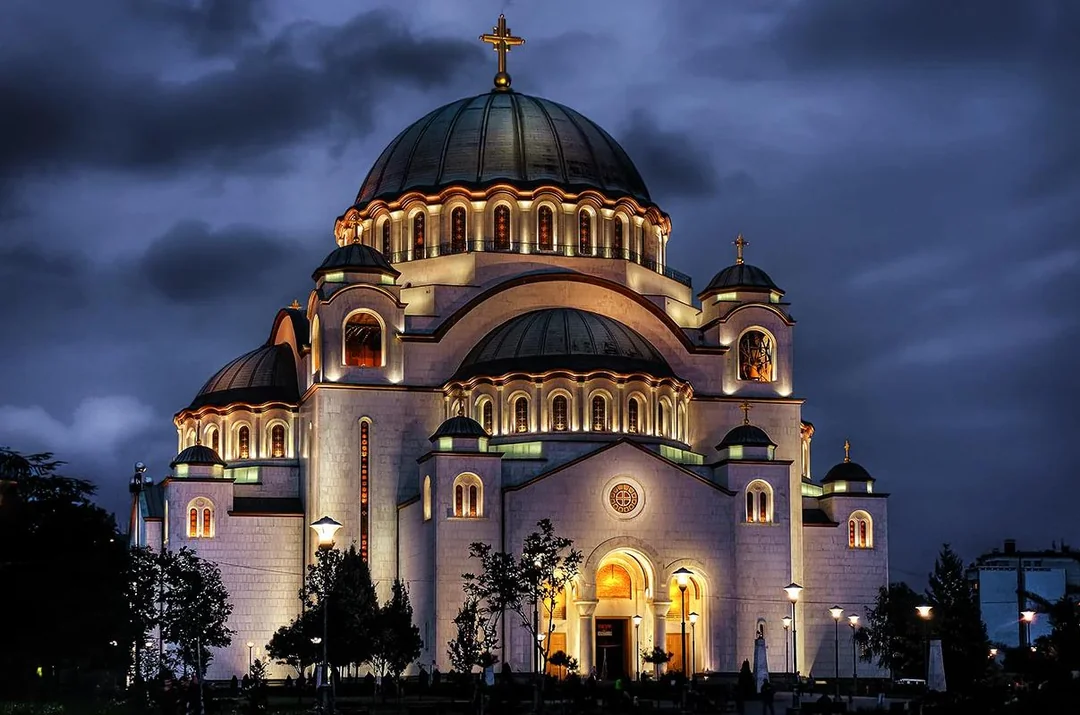
The Church of Saint Sava is one of the largest Orthodox Christian churches in the world and a major religious and architectural landmark of Serbia. Constructed on the presumed site where the remains of Saint Sava—the founder of the Serbian Orthodox Church—were burned by the Ottoman authorities in the 16th century, the church symbolizes national identity and spiritual resilience. Its construction began in 1935 and has continued for decades, with a richly decorated interior featuring golden mosaics and a vast central dome inspired by Byzantine architecture. The church remains an active place of worship and a prominent cultural symbol of modern Serbia.
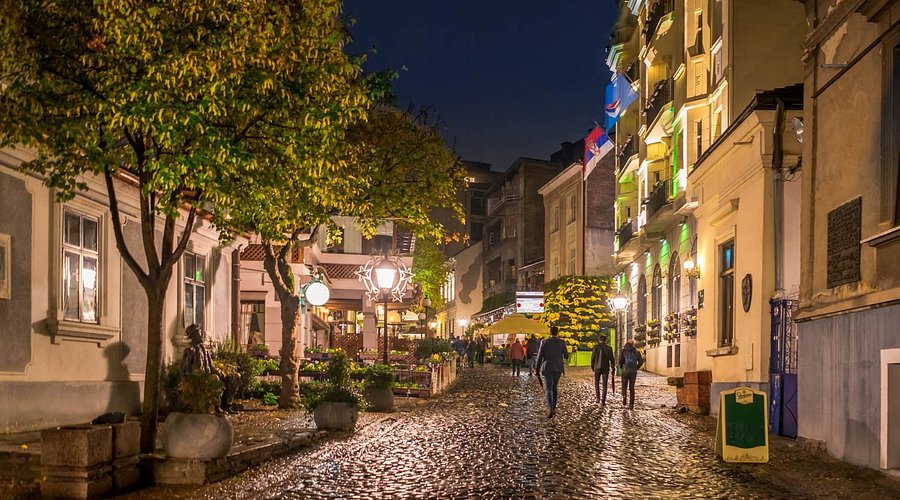
Skadarlija is Belgrade’s historic bohemian quarter, often referred to as the city’s artistic heart. Located in the old town, this cobblestone street has preserved the atmosphere of late 19th and early 20th-century Serbia. It was once home to poets, writers, and artists, and today hosts traditional Serbian taverns (kafanas) that maintain the spirit of that era through live folk music, authentic cuisine, and decor. Skadarlija’s enduring charm makes it a living museum of Serbian urban culture.
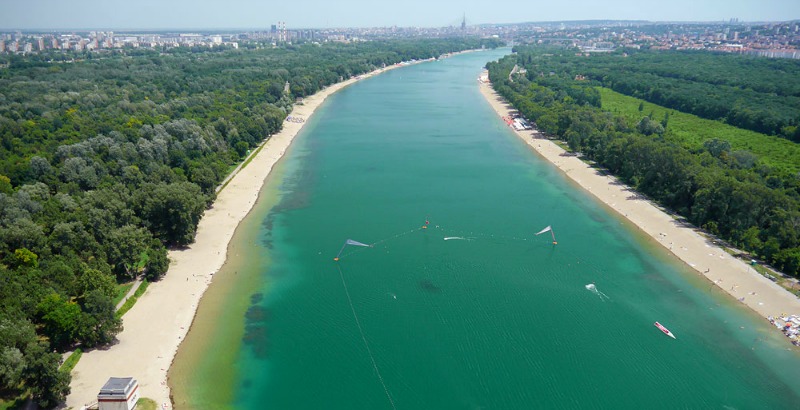
Ada Ciganlija, originally an island on the Sava River and now a river peninsula, is one of Belgrade’s most popular recreational areas. Known colloquially as “Belgrade’s Sea,” it features a large artificial lake with developed beaches, sports facilities, cycling paths, and leisure zones. Its transformation into a public park began in the mid-20th century, and it now attracts thousands of visitors daily during the summer months, making it a model of successful urban green space development.